
Vicie Reynolds was the sister, daughter, and granddaughter of Baptist preachers from the rural parts of Kentucky. Her son was my Grandpa Russ, another preacher ordained by the Southern Baptist Convention. Russ was her youngest child, born in 1920; her oldest was Opal, born in 1899.
But I suspect that her role as a mother to her family started much earlier than 1899.
The Only Girl in Her Family
Vicie was born on 27 July 1879 in Lewis County, Kentucky, and the combined wisdom of vital records and word-of-mouth memories suggests that she was named either “Mary Ann” or “Marianne” with a middle name that might have been “Viceroy.”
When I say “combined…vital records” I mean that her marriage bond for her 1898 wedding to David U. Clark recorded her name as “Mary A. V. Reynolds,” her name was recorded as “Mary A Reynolds” in the social security files of my grandfather and his brother, Frank, and every other official record — Ohio marriage records for her children, her own Arkansas death record, a Kentucky record for her little son, Floyd, and three of the four U.S. Census records she appears in — lists her as “Vicie,” or near enough to that to allow for clerks’ handwriting.
When Vicie was born, she had two older brothers, Reuben (age 3) and Jerry (age 2). She was 2 years old when her little brother, William, was born, and she was still 2 years old when their mother, Mary Francis May, died six months after that.
Their father was James Thomas Reynolds, who, I learned relatively recently, was a Baptist minister. The “History of Greenup Association 1841 – 1941,” by L. H. Tipton, says that James “began his pastoral work in the Association in 1890 as pastor of Union Baptist Church, Lewis County.” The Union church was built in 1830, but by 1910, it had been deeded to the town and was being used by the Christian Church. It’s not clear which town it was in, or whether Pastor Reynolds and his family lived in the same town.
I haven’t been able to find sources with more details, but what I do find suggests that Pastor Reynolds was able to support his children, and they were educated. I am fairly certain, however, that Vicie found herself in the position of taking care of the housework for her father and brothers. It is possible they were well off enough to hire help, but I think the life of an itinerant preacher probably leans more towards being self-sufficient.
Either way, odds are pretty good that she was the mother of her family of boys, and when she was 19, she married David Clark and began three decades of constant motherhood.
Vicie’s Role
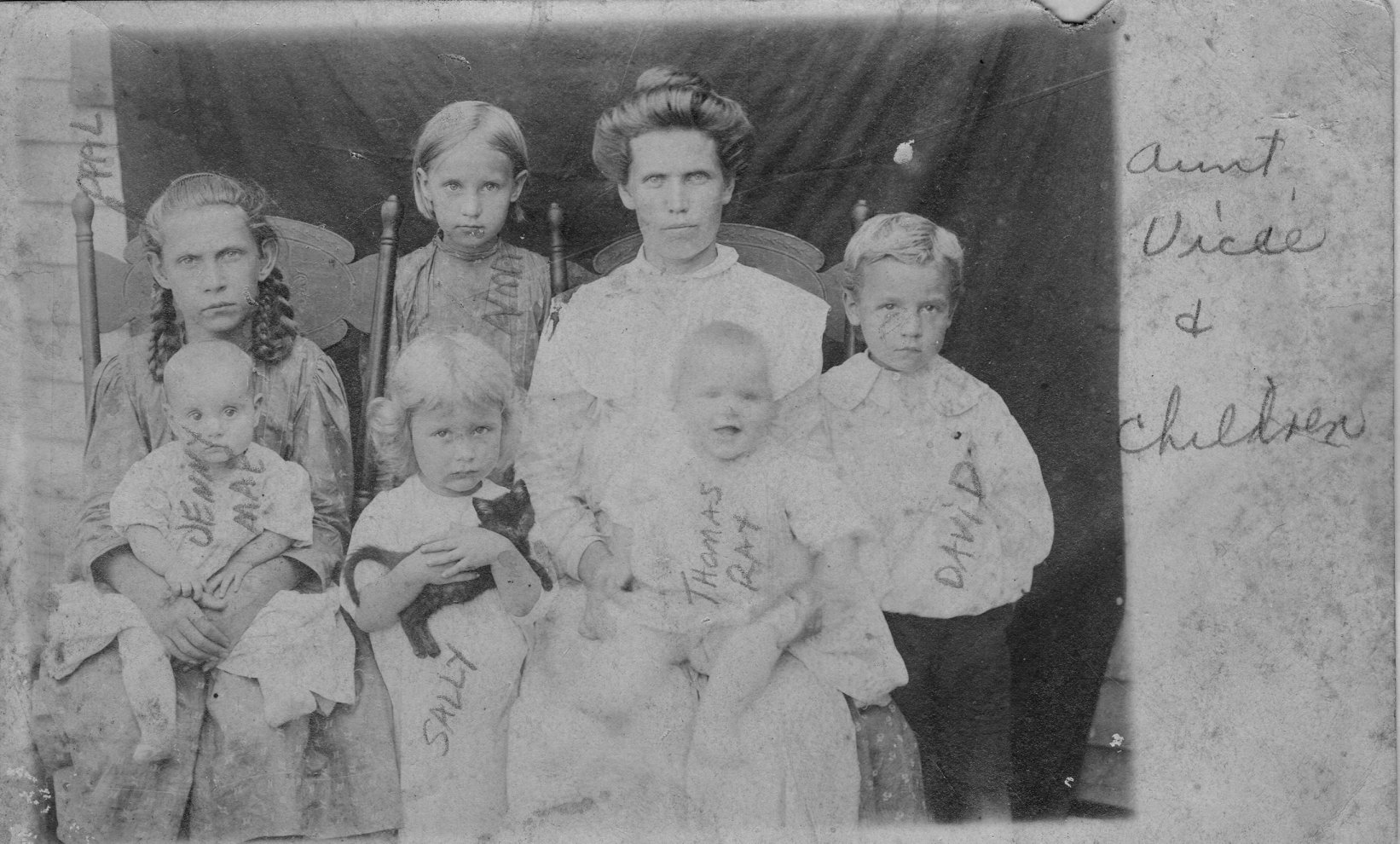
This photo is a recent find for me, and I love it for a lot of reasons. Judging by the age of the twins, Jenny Mae and Thomas Ray, I guess it was taken in 1911. Vicie looks strong, confident, and in charge; the children look like they have been commanded to behave, and the babies seem delighted to be there. I see my cousin Tim’s features in the twins, and his mom, my aunt Judy, in Sally’s face.
Some 35 years later, Vicie and three of those children stood for this portrait, after David Sr. died:
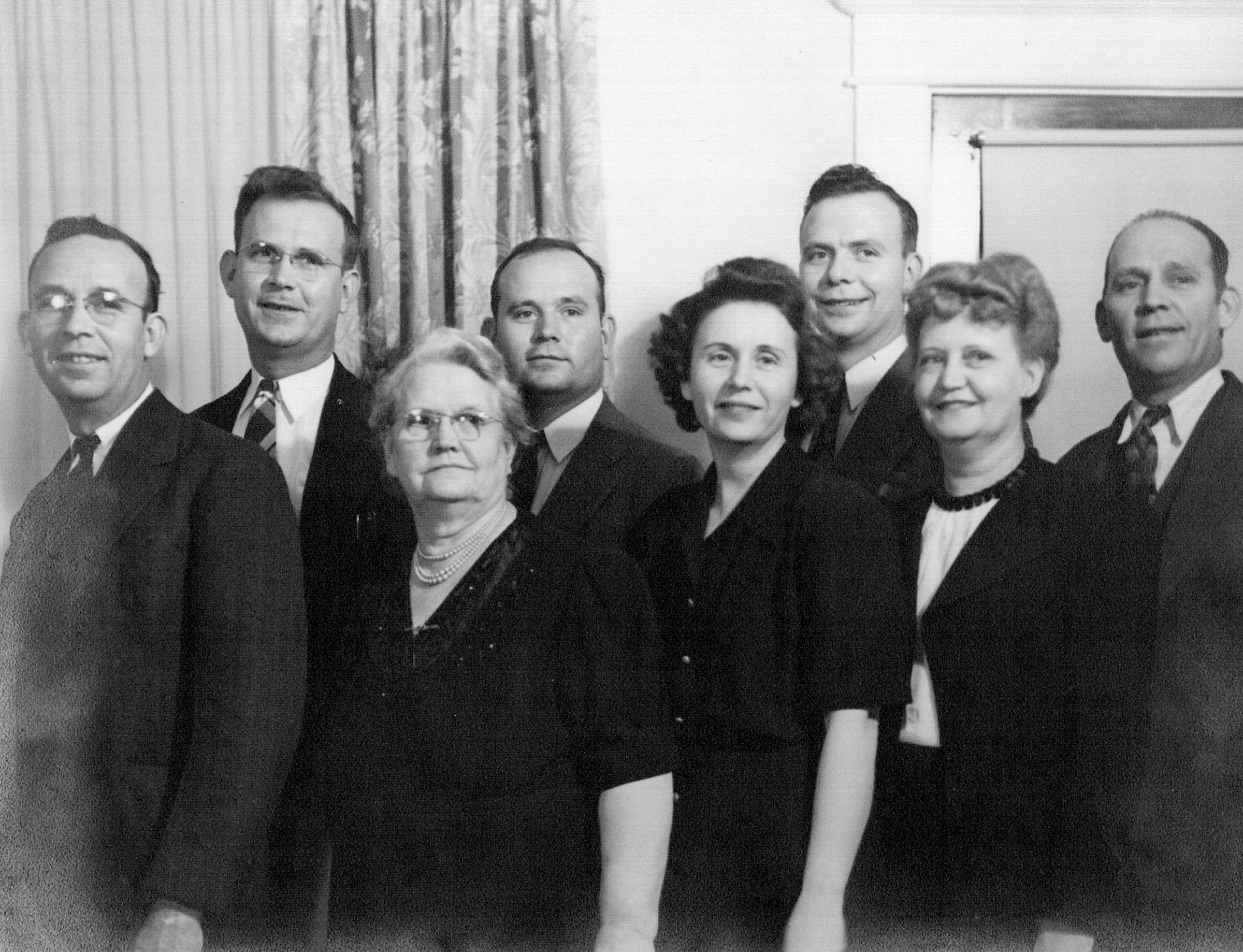
I talked last week about a lot of unknowns, and I don’t like to make baseless assumptions, but I don’t think I’m stretching the truth to suggest that the years were hard on Vicie. There were a lot of children to raise, and she lost three along the way. We mentioned last week that little Floyd died in 1916 when he was only about a year old.
Opal survived to adulthood but died at age 33 in 1932, taken by typhoid fever. She left five small children with their father, Albert W. Arthur.
The next year, Thomas Ray, who was working in Benton, Arkansas, as a cabinet maker, succumbed to Hodgkin’s disease, which was considered incurable in 1933. A cure was developed in the 1960s. Thomas was only 23 and unmarried when he died.
Traxel was the second child of David and Vicie, and their oldest son. He moved around quite a bit, and from what little I was told, he was “wild.” He was married several times and had several children with his wife in Louisiana. David Jr. and Alma each had one child, and Sally married Lindsey Sullivan and had five. I don’t think Jenny May had children of her own, but Jerry had a son, whom he named David. Frank had three daughters, and of course, Russ, my grandfather, had a son and two daughters.
And In the End
Vicie survived her husband by a decade, but died a decade and a half before I had a chance to meet her. Her death certificate suggests a sad story of declining health. The examining doctor attributed her death to liver cancer, but listed malnutrition as a contributing factor. This raises more questions that I don’t expect to answer.
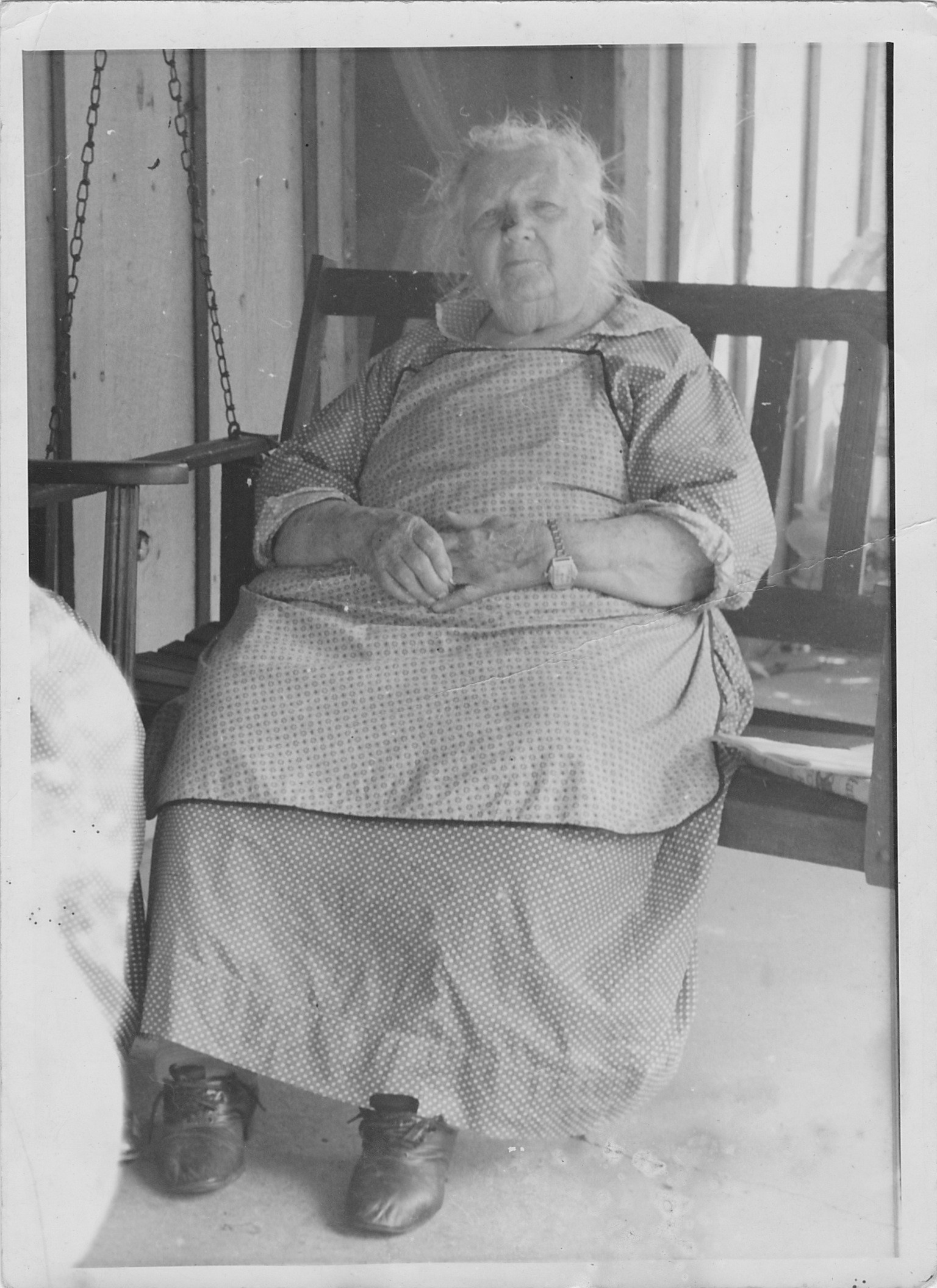
I don’t know whether Vicie lived with her daughter, Alma, during the 1950s, or if she lived on her own. I don’t know when, exactly, she moved to Hot Springs, Arkansas, but it was probably about 1955. I don’t know whether she resided with one of her children there.
But I do know that she died in January of the year that Sputnik launched, and President Eisenhower sent federal troops to desegregate Little Rock Central High School. I know that she made it through a lot of hard times, and when she left us, she, more than many, went to rest.
Maybe one day, I’ll know more.
 Mightier Acorns
Say hello, cousin!