
Sometimes it’s okay to fantasize
I spend a lot of time on this blog emphasizing the importance of evidence and critical thinking in assembling a factual family history. But as some of my Substack friends will tell you, context and the construction of a narrative are also important elements for telling your family’s story.
I have a whole separate life in fiction that I don’t get to talk about here very often. Since about 2006, I’ve subscribed to the Escape Pod science fiction podcast, and since 2016 I have been an associate editor at Pseudopod, the horror fiction podcast. In addition to behind-the-scenes editorial duties, I’ve had the privilege of hosting and narrating a few episodes – full list here – most recently narrating the Veteran’s Day/Remembrance Day story, The Body Remembers, in 2023.
If you do go check out that story, pay attention to the Content Warnings; and take note that this, and stories like it, serve a purpose that purely factual history can’t serve. The fictional world gives us a glimpse of the kinds of pain and suffering that most of us never experience – and enough distance to avoid experiencing it. The goal is understanding.
Some amazing shows are being made that are based on historical events. Taylor Sheridan’s Yellowstone prequels, 1883 gave my imagination a backdrop for learning about my Huff and Witter ancestors – even though they settled in Kansas, not in any of the locations depicted in the show. The outlandishly fantastic Outlander – which takes a time-traveling erotic romance and grounds it in a visually stunning production – brought the Scottish Highlands to life in a way that I could never have accessed just by visiting. And Outlander’s recent seasons have (probably implausibly) woven the characters into events from the American Revolution – including places like Ticonderoga, New York, not far from where some of my ancestors lived, or in pre-Revolution North Carolina, where my wife’s ancestors settled.
While none of these would ever pass for historical works, the settings, costumes, and otherwise brilliant production work can give someone like me a sense of place for the stories I want to write about my ancestors.
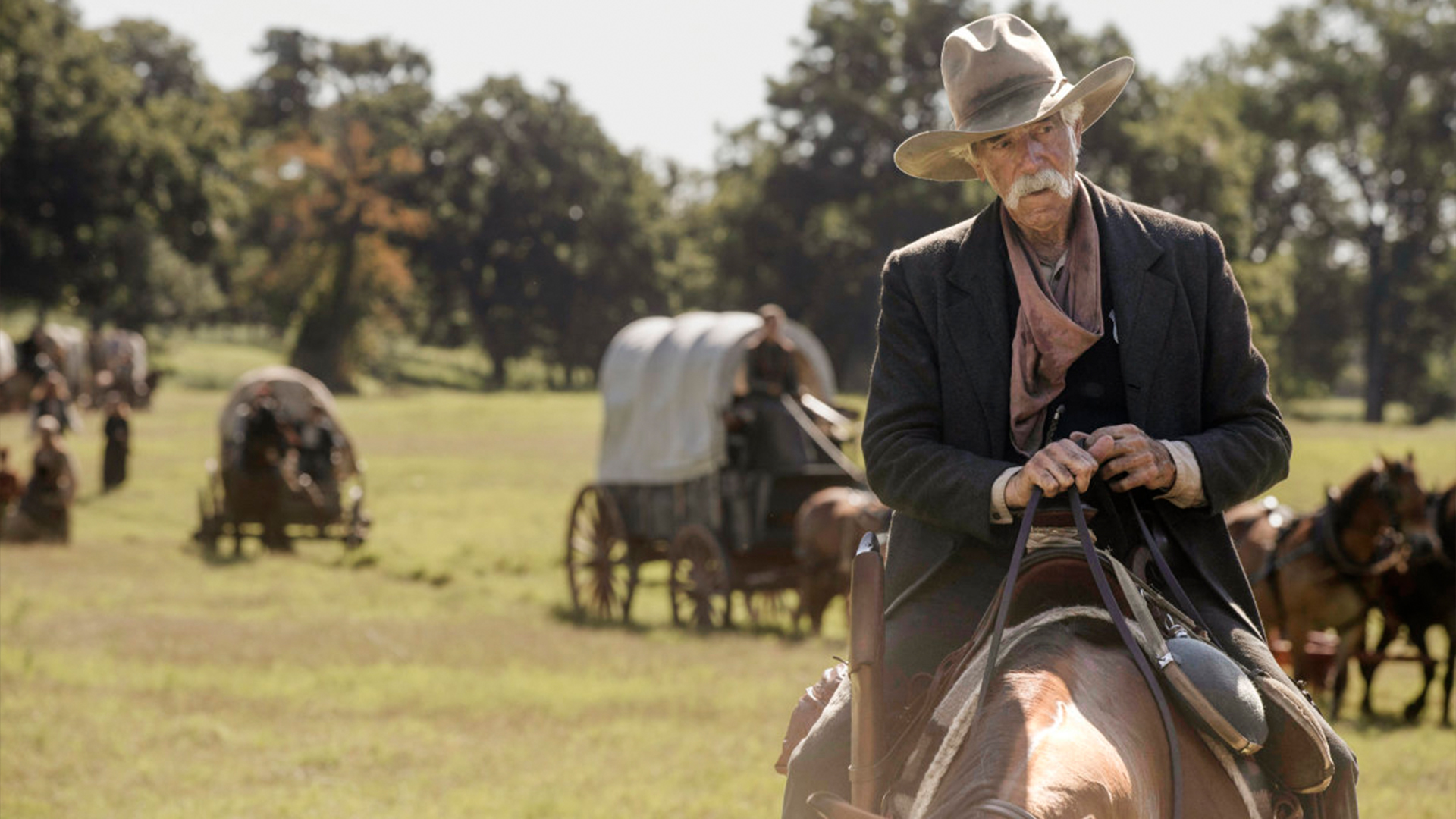
Of course, admitting an affection for historical fiction makes me feel a little bit guilty as if I’m betraying all of the serious historians out there trying to Tell the Truth. But I also can’t help observing how historical fiction drew me into the study of history. I remember discovering Larry McMurtry’s Lonesome Dove novels in my teens, and the compelling story full of relatable characters helped me grasp the outlines of American history in a way that a simple recitation of names/dates/places never could.
We do have to be careful about maintaining the line between history and fiction. Alex Haley’s groundbreaking and influential work, Roots: The Saga of an American Family, was a phenomenon when I was a kid, and undeniably influenced my interest in family history. But because it wasn’t presented as a novel, and because Haley did not acknowledge that he borrowed parts of it from a 1967 novel, it suffers as a work of history and draws criticism from those who want to deny the underlying realism of the events it portrays.1
I personally still value Haley’s work, and the work of many others who could be described as “pioneers of ‘creative non-fiction” or the ‘non-fiction novel’” – my memoir/novel, Tad’s Happy Funtime, tells you outright that I don’t trust my memory and that I have probably altered my own stories over the years simply in retelling them. That is, after all, how the brain works.
The key is to give value to both fact and fantasy and to understand that your ancestors did the same thing. Any writings you have inherited from them have tremendous value as artifacts of their time and their internal lives – but always remember to be skeptical of what is factual until you have evidence.
And, of course, document your evidence – ideally on my WikiTree profiles – for posterity.


Say hello, cousin!